
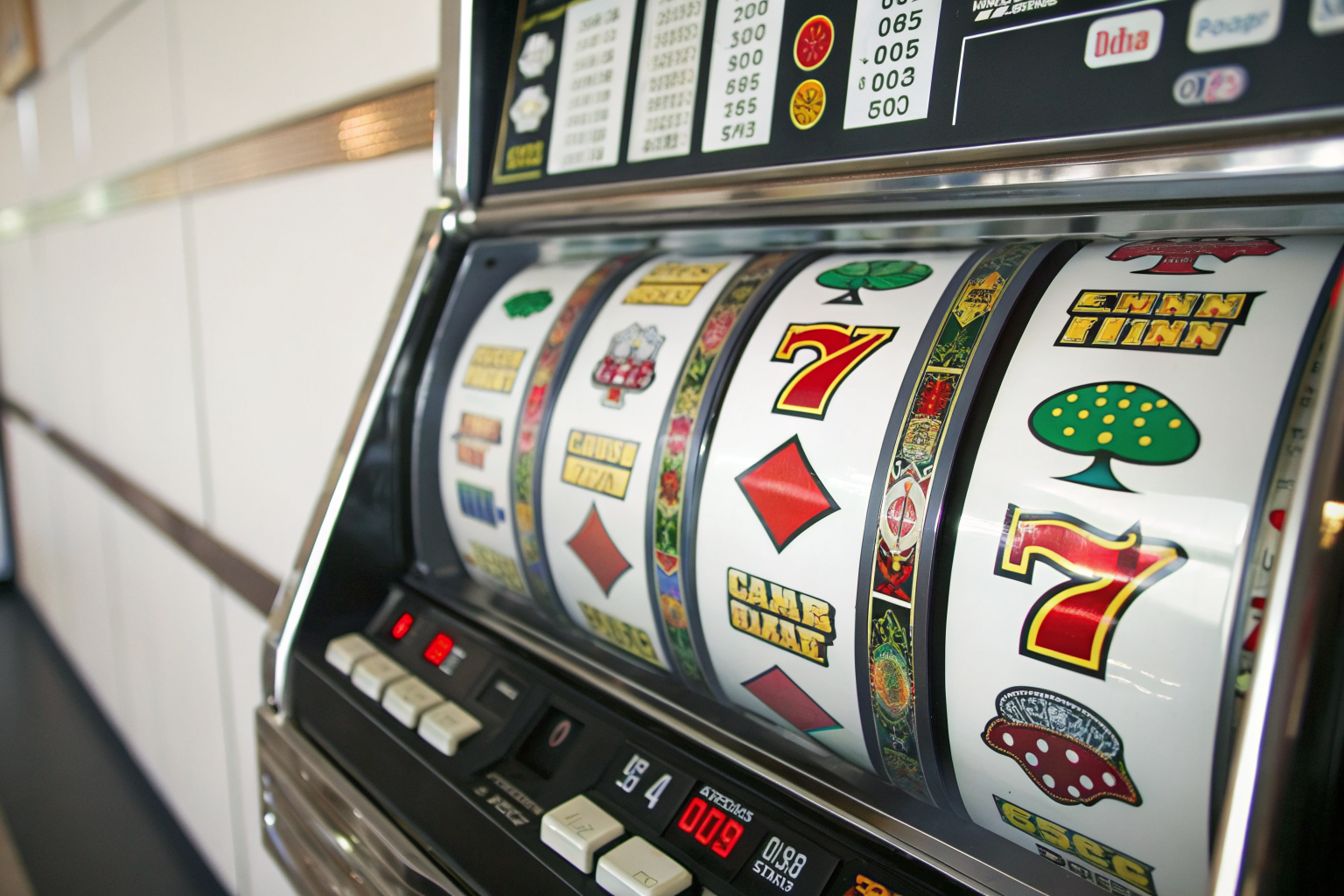
Online slot machines have revolutionized the gambling landscape in India, with multi-payline games becoming increasingly popular among players seeking more frequent wins. Paylines represent the specific patterns across slot reels where matching symbols must land to create winning combinations, directly influencing both hit frequency and overall gaming experience. Understanding the relationship between payline configurations and winning frequency is crucial for Indian players, as it affects not only how often wins occur but also impacts Return to Player (RTP) percentages and bankroll management strategies.
The configuration of paylines significantly impacts winning frequency, with more paylines generally leading to increased hit rates but potentially smaller individual payouts. This comprehensive guide explores how different payline setups affect your chances of winning, examines the mathematical principles behind slot mechanics, and provides India-specific strategies to optimize your slot gaming experience.
What Are Paylines in Slot Machines?
Paylines are predetermined patterns that run across slot machine reels, determining where matching symbols must appear to create winning combinations. In traditional slot machines, paylines typically run from left to right, but modern slots feature complex patterns including diagonal, zigzag, and even unconventional formations. The number of paylines varies dramatically between games, ranging from single-line classic slots to modern video slots with hundreds or even thousands of ways to win.
Indian players encounter two primary payline types: fixed paylines where all lines are automatically active with each spin, and adjustable paylines where players can choose how many lines to activate. Fixed payline slots are more common in India’s online casino market, as they simplify gameplay while ensuring consistent hit frequency calculations. Popular Indian-themed slots like “Bollywood Story” typically feature 20-25 fixed paylines, while international titles available to Indian players may offer 50+ payline configurations.
Understanding payline mechanics is essential for Indian players because it directly affects both betting costs and winning potential. Each active payline requires a separate bet, meaning a 25-payline slot with a ₹1 line bet actually costs ₹25 per spin, making bankroll management crucial for sustained gameplay.
Single Payline vs. Multi-Payline Slots
The fundamental difference between single and multi-payline slots significantly impacts hit frequency and player experience. Single payline slots offer straightforward gameplay but limited winning opportunities, while multi-payline configurations provide numerous ways to win on each spin.
- Single payline slots typically have hit frequencies around 8-12%, meaning wins occur roughly once every 8-10 spins
- Multi-payline slots often achieve hit frequencies of 25-35%, creating more frequent winning combinations
- Single payline games usually offer larger individual payouts due to concentrated betting on one line
- Multi-payline slots spread risk across multiple lines, resulting in smaller but more frequent wins
- Bankroll longevity tends to be better with multi-payline slots due to consistent small wins
- Single payline slots create higher volatility experiences with longer dry spells between significant wins
Payline Patterns in Modern Slots
Modern slot machines feature diverse payline patterns that extend far beyond simple horizontal lines. Zigzag patterns create diagonal winning combinations, while V-shaped and inverted V-patterns add complexity to winning possibilities. These varied patterns are particularly evident in slots popular among Indian players, such as “Temple Tumble” which features cascading symbols across multiple zigzag paylines.
Advanced payline configurations include “ways to win” systems where adjacent symbols on consecutive reels create wins regardless of specific line patterns. Games like “Gonzo’s Quest,” popular in Indian online casinos, utilize 20 fixed paylines with traditional patterns, while newer titles may offer 243 or 1024 ways to win, essentially creating payline-free winning systems that significantly increase hit frequency.
Hit Frequency Explained
Hit frequency represents the percentage of spins that result in any winning combination, regardless of payout size. This metric differs fundamentally from RTP (Return to Player), as hit frequency focuses on win occurrence rather than monetary return. For example, a slot might have a 30% hit frequency, meaning three out of ten spins produce wins, while maintaining a 96% RTP through varied payout amounts.
The distinction between hit frequency and RTP is crucial for Indian players developing effective strategies. A single payline slot might offer 94% RTP with 10% hit frequency, delivering substantial but infrequent wins. Conversely, a 25-payline slot could provide 96% RTP with 28% hit frequency, creating smaller but more regular payouts that better suit players preferring consistent action over long-term variance.
Factors Influencing Hit Frequency
Multiple technical and design factors determine a slot machine’s hit frequency, each playing a crucial role in the overall gaming experience. Understanding these elements helps Indian players make informed decisions about which slots best match their playing preferences and bankroll management strategies.
The mathematical foundation of hit frequency involves complex calculations considering symbol distribution, reel configurations, and payline structures. Game developers carefully balance these factors to create engaging experiences that satisfy both entertainment value and mathematical requirements for fair gaming.
- Number of reels and reel positions directly affect possible symbol combinations, with 5-reel slots offering more complex winning possibilities than 3-reel games
- Random Number Generator (RNG) programming determines symbol appearance frequency, ensuring fair distribution while maintaining house edge
- Reel strip configuration controls which symbols appear on each reel and their relative frequency, with high-paying symbols appearing less frequently
- Payline count significantly impacts hit frequency, as more active lines create additional winning opportunities per spin
- Symbol substitution features like wilds and scatters can dramatically increase hit frequency by creating additional winning combinations
How Payline Count Affects Winning Frequency
The relationship between payline count and winning frequency follows predictable mathematical principles, with more paylines generally increasing hit rates while affecting payout distribution. This relationship is particularly important for Indian players who must balance entertainment value with responsible bankroll management. More paylines create additional opportunities for winning combinations on each spin, but also require larger total bets to maintain the same line bet amount.
Understanding this dynamic helps players optimize their gaming strategy based on personal preferences for win frequency versus payout size. Higher payline counts typically result in smaller average wins but more frequent payouts, while lower payline configurations offer larger individual wins with longer intervals between successes.
The impact becomes more pronounced when considering the total cost per spin, as 50-payline slots require significantly larger bets than 10-payline games to achieve comparable line betting amounts, making payline selection a crucial factor in sustainable gaming practices.
| Paylines | Hit Frequency % | Example RTP | Pros | Cons |
|---|---|---|---|---|
| 1-5 Lines | 8-15% | 94-96% | Larger individual wins, Lower cost per spin | Infrequent wins, High volatility |
| 10-25 Lines | 20-30% | 95-97% | Balanced frequency, Moderate costs | Medium volatility, Average payouts |
| 50+ Lines | 35-45% | 96-98% | Frequent wins, Better RTP | Higher bet requirements, Smaller wins |
| 243 Ways | 40-50% | 96-97% | Maximum frequency, Simple betting | Fixed costs, Limited win sizes |
| 1024+ Ways | 45-55% | 95-97% | Highest frequency, Consistent action | Expensive spins, Tiny individual wins |
Single vs. Multiple Paylines Comparison
Direct comparison between single and multiple payline configurations reveals significant differences in hit frequency and payout patterns that Indian players should consider when selecting games. Single payline slots concentrate all betting power on one winning line, creating potential for substantial payouts but with considerably lower hit rates.
Multiple payline configurations spread the same total bet across numerous winning opportunities, fundamentally changing the risk-reward profile and creating more frequent but typically smaller winning combinations that appeal to players seeking consistent action over large jackpot potential.
| Config | Hit Freq | Payout Example |
|---|---|---|
| Single Line | 10% | ₹500 win on ₹25 bet |
| 5 Lines | 13% | ₹150 win on ₹25 bet |
| 25 Lines | 28% | ₹75 win on ₹25 bet |
| 50 Lines | 35% | ₹40 win on ₹25 bet |
Impact of Adjustable Paylines
Adjustable payline systems provide Indian players with strategic flexibility by allowing selection of active paylines, directly controlling both bet size and winning frequency. This feature enables players to adapt their approach based on bankroll size, risk tolerance, and preferred gaming style, making it particularly valuable for budget-conscious players who want to extend playing time.
Betting on more lines typically offers better value despite higher costs, as it increases hit frequency and often improves the effective RTP by ensuring access to all possible winning combinations. Players who activate only partial paylines may miss winning combinations that would have appeared on deactivated lines, effectively reducing their winning potential and creating suboptimal playing conditions.
RTP and Payline Configurations
Return to Player (RTP) percentages interact complexly with payline configurations, as more paylines often correlate with higher RTP values due to increased winning opportunities and optimized game mathematics. However, this relationship isn’t absolute, and players must distinguish between theoretical RTP and practical hit frequency when evaluating slot machines for their personal gaming preferences.
The mathematical relationship between paylines and RTP involves intricate calculations considering symbol probabilities, payout tables, and bonus feature frequencies. Indian players benefit from understanding that higher payline counts typically enable game developers to offer better RTP percentages while maintaining profitable house edges through increased betting requirements.
Hit frequency and RTP serve different purposes in slot evaluation, with hit frequency indicating how often wins occur and RTP representing long-term payout percentages over millions of spins. A slot might offer 97% RTP with 15% hit frequency, providing excellent long-term value with infrequent but substantial wins, while another game could deliver 95% RTP with 40% hit frequency, creating frequent small payouts with lower overall returns.
Understanding this distinction helps Indian players align their game selection with personal preferences, whether prioritizing frequent entertainment through regular small wins or seeking maximum theoretical return through higher RTP percentages despite less frequent winning combinations.
Balancing Hit Frequency and RTP
The optimal balance between hit frequency and RTP depends on individual player preferences, bankroll management strategies, and gaming objectives. Indian players seeking extended entertainment value might prioritize higher hit frequencies despite slightly lower RTP, while those focused on maximizing theoretical returns may prefer games with superior RTP percentages regardless of win frequency.
Successful slot selection requires evaluating both metrics simultaneously, considering how their interaction affects the overall gaming experience and aligns with personal gambling goals and financial constraints.
Game developers carefully calibrate this balance to appeal to different player segments, creating diverse options that cater to various preferences while maintaining mathematically sound and profitable game structures that ensure long-term sustainability.
| Game A | Game B | Hit Freq | RTP |
|---|---|---|---|
| Classic Fruit | Mega Ways | 12% vs 45% | 94% vs 96% |
| Book Adventure | Starburst | 22% vs 35% | 96% vs 96% |
| Bollywood Story | Gonzo Quest | 28% vs 31% | 95% vs 96% |
| Temple Tumble | Divine Fortune | 33% vs 29% | 97% vs 97% |
| Lightning Strike | Jammin Jars | 25% vs 42% | 98% vs 96% |
| Royal Flush | Sweet Bonanza | 18% vs 48% | 95% vs 96% |
Slot Volatility and Paylines
Volatility levels significantly interact with payline configurations to create distinct gaming experiences, with low volatility multi-payline slots providing frequent small wins while high volatility games with fewer paylines offer rare but substantial payouts. This relationship is crucial for Indian players developing effective bankroll management strategies and selecting games that match their risk tolerance.
The connection between paylines and volatility stems from mathematical probability distributions, where more paylines typically reduce volatility by creating more frequent winning opportunities, even if individual payouts are smaller. Conversely, slots with fewer paylines concentrate winning potential into less frequent but more significant events, creating higher volatility experiences that appeal to thrill-seeking players.
- Low volatility multi-payline slots provide steady bankroll preservation through frequent small wins
- High volatility single-payline games create intense experiences with potential for massive individual payouts
- Medium volatility slots with moderate payline counts offer balanced risk-reward profiles suitable for most players
- Payline configuration directly influences session duration, with more lines extending playing time through frequent hits
- Volatility affects optimal betting strategies, with low volatility games allowing higher line bets due to frequent returns
- High volatility slots require conservative betting to survive dry spells between significant winning combinations
- Understanding volatility-payline relationships enables better game selection based on session goals and available bankroll
Low vs. High Volatility Slots
The fundamental differences between low and high volatility slots become more pronounced when considering payline configurations, as these elements work together to create distinct risk-reward profiles that appeal to different player preferences and bankroll management strategies.
Low volatility slots typically utilize numerous paylines to ensure frequent winning combinations, making them ideal for Indian players seeking extended entertainment value and steady gameplay, while high volatility games often feature fewer paylines but offer substantially larger potential payouts when winning combinations do occur.
| Volatility | Paylines Impact | Win Frequency | India Examples |
|---|---|---|---|
| Low | 50+ lines create frequent hits | 35-45% | Starburst, Twin Spin |
| Medium | 20-30 lines balance risk | 25-35% | Gonzo Quest, Book of Dead |
| High | 10-15 lines increase variance | 15-25% | Razor Shark, Dead or Alive |
| Very High | 5-10 lines maximize payouts | 8-15% | Mental, NoLimit City slots |
| Extreme | 1-5 lines create massive variance | 5-10% | Classic fruit machines |
India-Specific Slot Considerations
The Indian online gambling market presents unique considerations for payline selection and slot gaming strategies, influenced by regulatory frameworks, payment method preferences, and cultural gaming habits. Indian players must navigate varying state regulations while accessing international online casinos, making game selection and bankroll management particularly important for sustainable gaming experiences.
Payment innovations like UPI integration have transformed how Indian players fund their gaming accounts, enabling smaller, more frequent deposits that align well with multi-payline slot strategies focused on extended play sessions rather than high-risk single bets. This technological advancement has made micro-betting more accessible, allowing players to enjoy 50+ payline slots with minimal per-line bets.
Cultural preferences in India tend to favor games with frequent wins and engaging bonus features, making multi-payline slots with high hit frequencies particularly popular among local players. This preference has influenced which international slot titles gain traction in the Indian market, with providers increasingly offering games tailored to these preferences through optimized payline configurations and adjusted volatility levels.
Top Payline Slots in India
Indian players have access to numerous high-quality multi-payline slots that combine excellent RTP percentages with engaging gameplay and frequent winning combinations. These recommendations represent games that have proven popular among Indian players while offering superior mathematical profiles.
The selection criteria prioritize slots with RTP above 95%, hit frequencies exceeding 25%, and payline configurations that provide good value for Indian players’ typical betting ranges, ensuring both entertainment value and responsible gaming practices.
- Starburst (NetEnt) – 10 paylines, 96.1% RTP, 35% hit frequency, ideal for beginners with both-ways-pay feature
- Gonzo’s Quest (NetEnt) – 20 paylines, 95.97% RTP, 31% hit frequency, featuring cascading reels and multipliers
- Book of Dead (Play’n GO) – 10 paylines, 94.25% RTP, 22% hit frequency, popular high volatility option
- Divine Fortune (NetEnt) – 20 paylines, 96.59% RTP, 29% hit frequency, progressive jackpot with Indian mythology theme
- Jammin’ Jars (Push Gaming) – Cluster pays system, 96.83% RTP, 42% hit frequency, innovative winning mechanics
- Sweet Bonanza (Pragmatic Play) – Tumble feature, 96.51% RTP, 48% hit frequency, extremely high hit rate
Strategies to Maximize Wins
Developing effective payline strategies requires understanding the mathematical relationships between bet size, line activation, and winning frequency. Indian players can optimize their slot experience through careful game selection, disciplined bankroll management, and strategic use of payline configurations that align with their gaming objectives.
The foundation of successful slot strategy lies in selecting games whose payline structures match your preferred balance between hit frequency and payout size, while maintaining betting levels that allow for extended play sessions without risking significant financial hardship.
- Always activate maximum paylines when possible to ensure access to all winning combinations and optimal RTP
- Choose slots with RTP above 95% and hit frequencies matching your volatility preference
- Manage bankroll by setting session limits at 1-2% of total available gambling funds
- Prioritize multi-payline slots for consistent entertainment value and extended playing time
- Understand the relationship between paylines and total bet cost to avoid exceeding budget limits
- Focus on games with balanced volatility that provide frequent wins without extreme variance
- Utilize casino bonuses and promotions to extend playing time while exploring different payline configurations
Betting on Paylines Effectively
Effective payline betting requires understanding the distinction between fixed and adjustable payline systems and how each affects your overall gaming strategy. Fixed payline slots automatically activate all available winning lines, simplifying decision-making while ensuring optimal mathematical performance, making them ideal for players who prefer straightforward gameplay without strategic complexity.
Adjustable payline systems offer greater control over bet sizing and hit frequency, allowing players to customize their experience based on bankroll constraints and session goals. However, deactivating paylines generally reduces the effective RTP and may cause missed winning opportunities, making full payline activation the mathematically superior choice when budget permits.
The key to successful payline betting lies in finding the optimal balance between line bet size and total number of active paylines, ensuring that your chosen configuration provides adequate entertainment value while maintaining responsible gambling practices. This typically involves selecting games where maximum payline activation fits comfortably within your predetermined session budget, rather than reducing active lines to accommodate higher per-line bets that may quickly deplete your bankroll.
Common Myths About Paylines
Numerous misconceptions surround payline configurations and their impact on slot machine performance, often leading Indian players to make suboptimal decisions based on false beliefs about how these systems actually operate. Understanding the mathematical reality behind payline mechanics helps players make informed choices based on factual information rather than persistent gambling myths.
The prevalence of payline-related myths stems partly from the complexity of slot mathematics and the tendency for players to seek patterns or explanations for random events. These misconceptions can significantly impact playing strategies and financial outcomes, making myth-busting education crucial for responsible gambling practices.
Distinguishing between factual information and widespread misconceptions enables players to develop more effective strategies while avoiding costly mistakes that could negatively impact their gaming experience and bankroll management efforts.
| Myth | Fact | Source Impact |
|---|---|---|
| More paylines always mean better RTP | RTP is independent of payline count | Can lead to higher betting than intended |
| Betting fewer lines improves individual payouts | Reduces winning opportunities and effective RTP | Results in missed wins and lower returns |
| Paylines can be ‘hot’ or ‘cold’ | Each spin is independent with equal probability | Encourages superstitious betting patterns |
| Changing paylines affects next spin outcome | RNG determines results before payline selection | Creates false sense of control over randomness |
| Single paylines offer better jackpot chances | Jackpots are typically triggered by special symbols | May reduce overall winning frequency unnecessarily |
| Maximum paylines guarantee frequent wins | Increases hit frequency but not win guarantees | Can lead to overconfidence and excessive betting |
Debunking Frequency Misconceptions
Random Number Generator (RNG) technology ensures complete fairness in slot outcomes, making concepts of “hot” or “cold” slots mathematically impossible. Each spin represents an independent event with identical probability distributions, regardless of previous results or payline configurations, meaning that no amount of observation or pattern-seeking can predict future outcomes.
The misconception that slots can become “due” for wins or that changing payline configurations can influence upcoming results stems from natural human tendencies to find patterns in random events, but these beliefs have no basis in the mathematical reality of modern slot machine operation and can lead to poor decision-making and increased losses.